Iron: The Most Toxic Metal by Jym Moon
Jym Moon’s evidence is that iron becomes the most damaging metal when it is unregulated, especially when it accumulates outside of proper biological control systems.
1. Iron’s Double Nature (Essential vs Destructive)
Essential role:
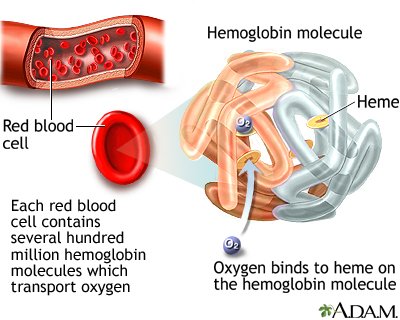
Iron is required for:Hemoglobin (oxygen transport)
Electron transport (cytochromes)
Enzymatic redox reactions
Problem:
Free or poorly bound iron becomes highly reactive.
2. The Fenton Reaction (Where Iron Turns Aggressive)
Iron (Fe²⁺) reacts with hydrogen peroxide:
Generates hydroxyl radicals (•OH)
These are among the most reactive oxidative species in biology
Effect:
Lipid peroxidation (membrane damage)
Protein deformation
DNA disruption
 This is the foundation of the Iron Toxicity
3. Storage vs Free Iron
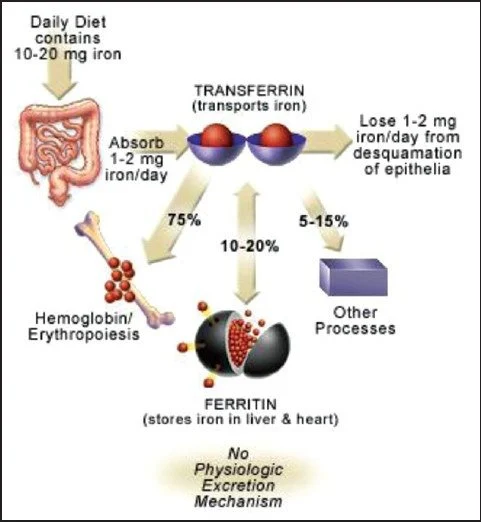
The body tightly controls iron using:
Ferritin → intracellular storage
Transferrin → transport protein
Moon’s emphasis:
When iron exceeds binding capacity → “free iron pool” expands
This leads to uncontrolled redox cycling
4. Tissue Deposition Pattern
Excess iron tends to accumulate in:
Liver
Spleen
Brain
Joints
This is often described as:
“Rusting from within” (oxidative deposition pattern)
5. Copper–Iron Relationship (Critical Control Axis)
A central point in Moon’s framework:
Copper-dependent systems regulate iron
Ceruloplasmin converts Fe²⁺ → Fe³⁺
Enables iron loading onto transferrin
If copper-dependent control weakens:
Iron cannot be properly mobilized
Iron accumulates in tissues instead of being recycled
Result: functional iron overload despite imbalance elsewhere
6. Oxygen Reduction Failure Link
Iron becomes more problematic when:
Oxygen is not fully reduced at cytochrome c oxidase (Complex IV)
Incomplete reduction → hydrogen peroxide buildup
Then:
Iron + H₂O₂ → hydroxyl radicals
This ties iron toxicity directly to mitochondrial inefficiency.
7. Red Blood Cell Recycling Bottleneck
~2.5 million RBCs recycled per second
Iron should be:
Extracted
Rebound
Reused
If this system stalls:
Iron accumulates in macrophages
Ferritin rises
Circulating iron becomes dysregulated
8. “Most Toxic Metal” — What That Really Means
Moon’s statement is contextual, not absolute:
Iron is not inherently the most toxic metal
It becomes the most damaging when:
Unbound
Poorly regulated
Combined with oxidative stress
Compared to other metals:
Lead, mercury → toxic even in small amounts
Iron → danger scales with mismanagement
9. Bio-Dielectric
From a field-structure perspective:
Iron introduces redox instability
Promotes:
Charge fluctuation
Membrane destabilization
Glycocalyx disruption
While copper systems:
Stabilize electron flow
Enable controlled oxygen reduction
Support structured water formation
So the issue is not iron alone, but:
Iron operating without copper-governed order
Bottom Line
Jym Moon’s “iron is the most toxic metal” idea can be refined to:
Iron is the most dangerous metal when it escapes biological control and participates in uncontrolled redox reactions.